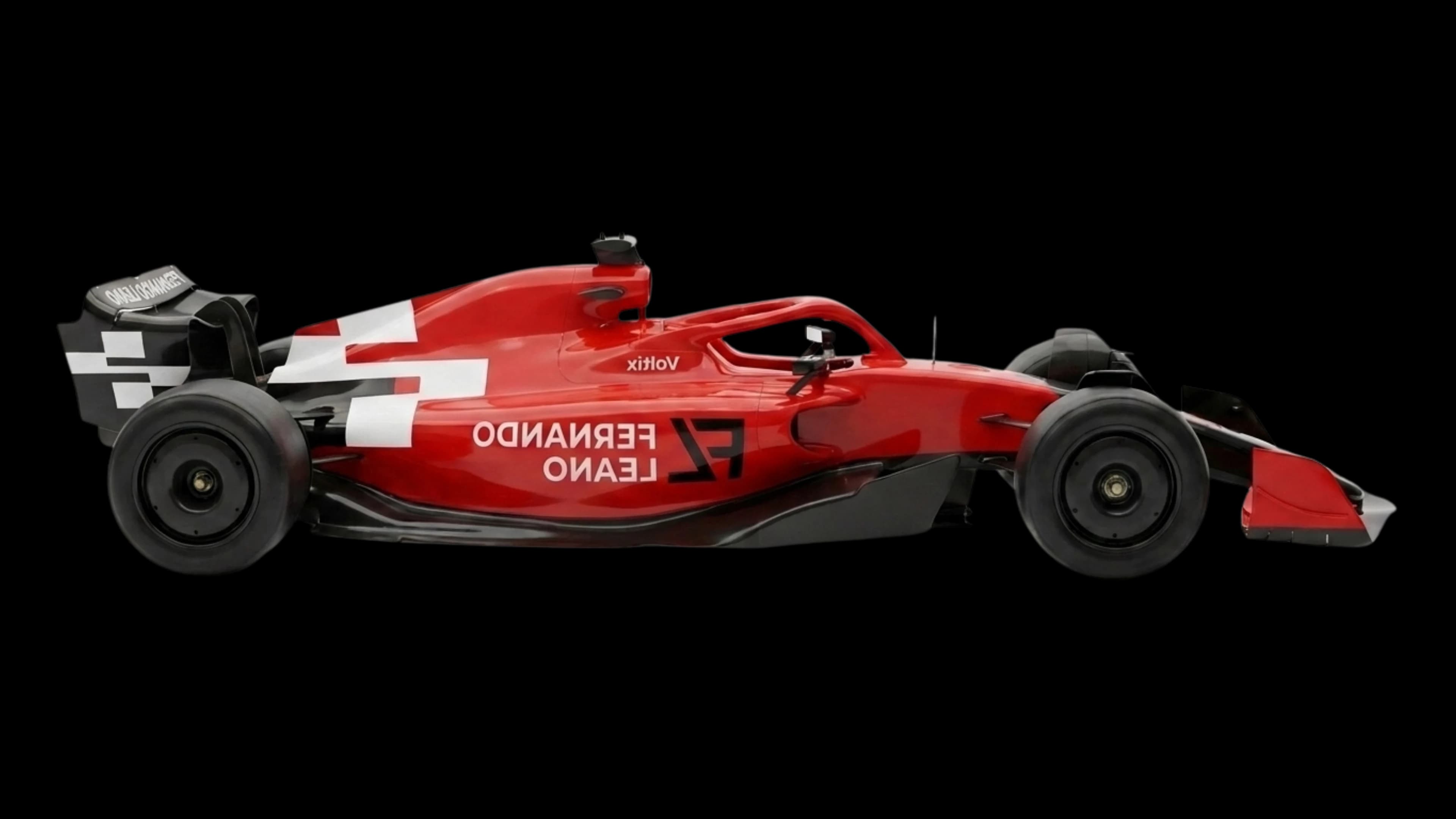
Why every side project deserves a race engineer's debrief
Shipping is not the finish line. What a structured debrief borrows from motorsport, and why the lessons actually stick.
The warm-up lap
Every project starts by framing the problem honestly: what was slow, what was brittle, or what simply felt wrong. Naming that clearly is what makes the fix legible later.
Context matters as much as code. The constraints, the deadline, and what was already tried all shape which solutions are even on the table, so they get written down first.
Finding the apex
The middle of the piece digs into the actual work: measurements, decisions, and the trade-offs between them, written down while the reasoning is still fresh.
Ship the boring version first. The clever version can qualify for the next race.
Traction, not theory
Then the results: what actually changed after the fix. Numbers beat adjectives, so before-and-after figures do the talking wherever they exist.
Second-order effects belong here too: what got simpler downstream, and which new problems the change quietly introduced.
The debrief
Every post closes with what transfers to the next project: two or three durable lessons, written plainly. That transfer is the whole point of writing these down.